
Last updated September 21, 2026
Full 25-point door and opener safety check with every visit - springs, cables, rollers, tracks, and your LiftMaster or Chamberlain opener included
You get a price before we start. It does not change when the truck arrives.
 Before
 After
After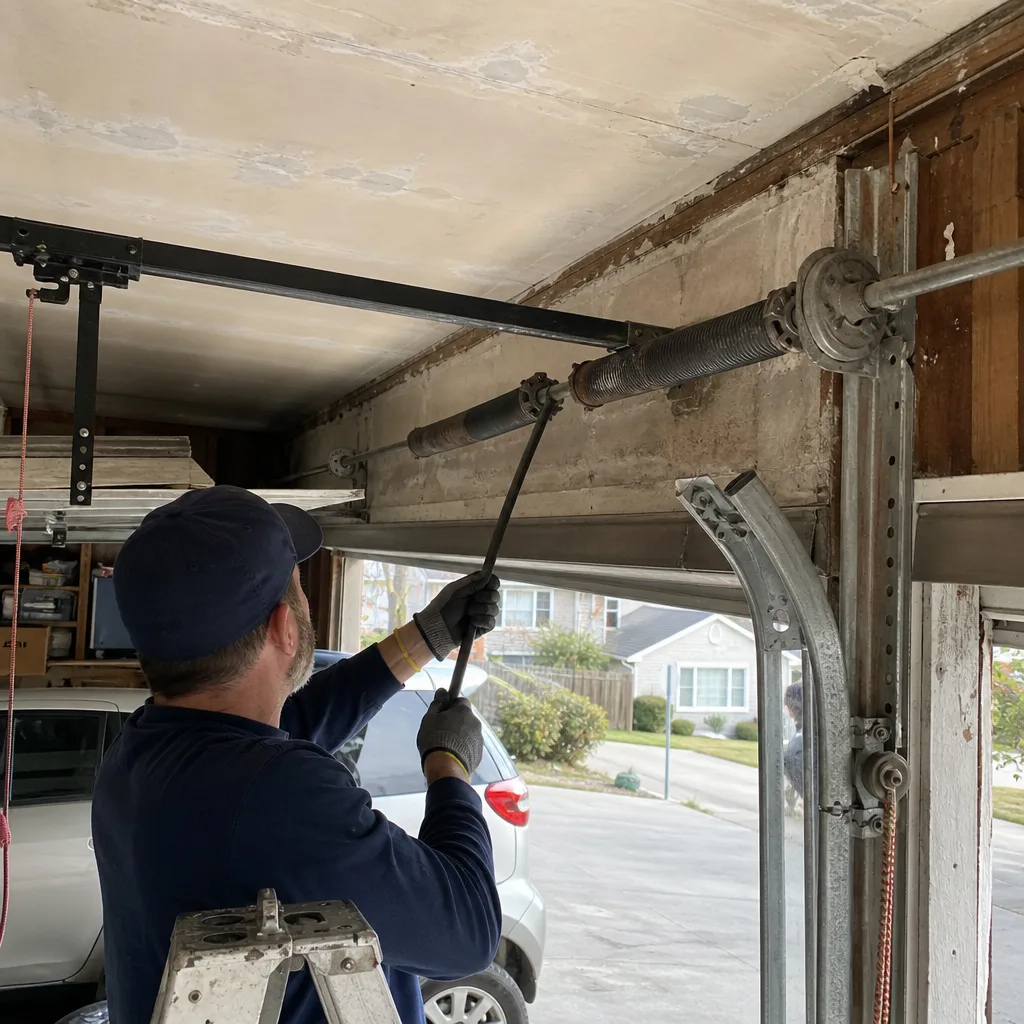 Before
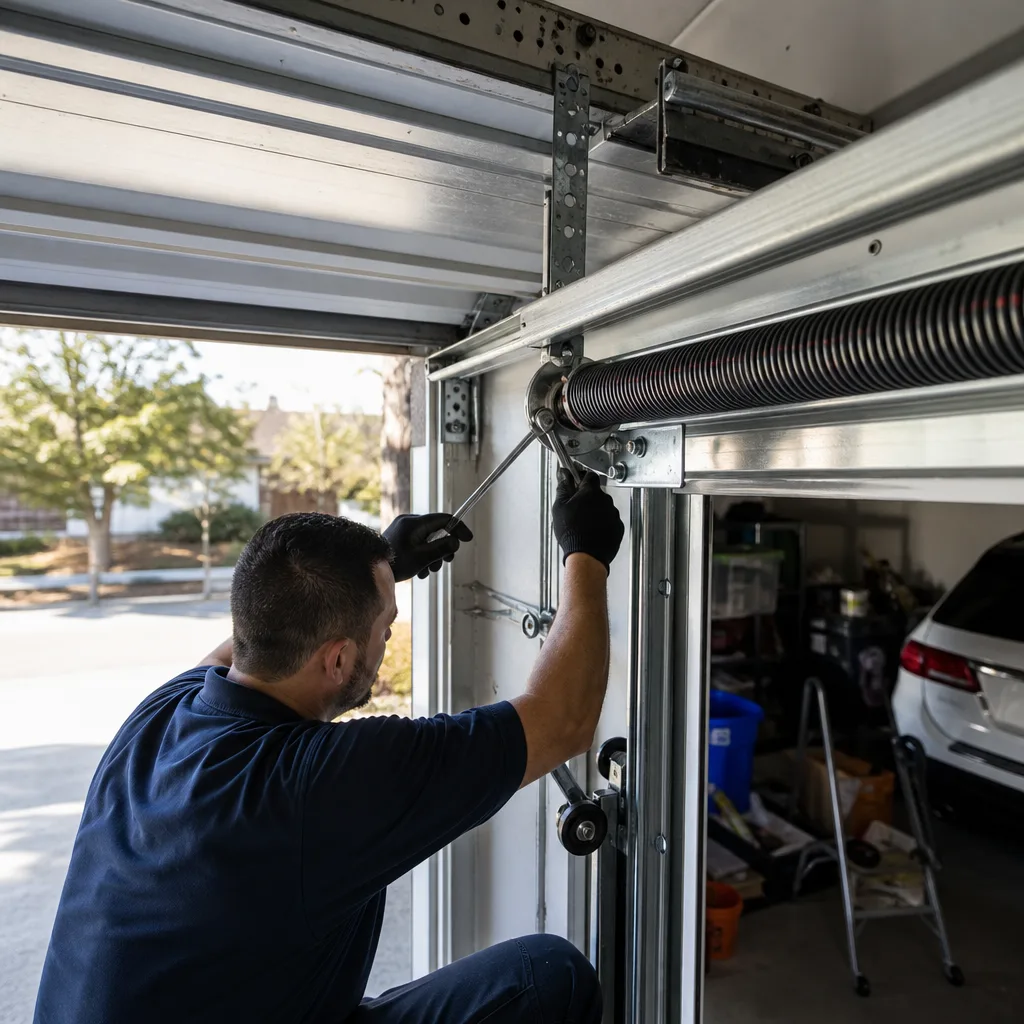 After
After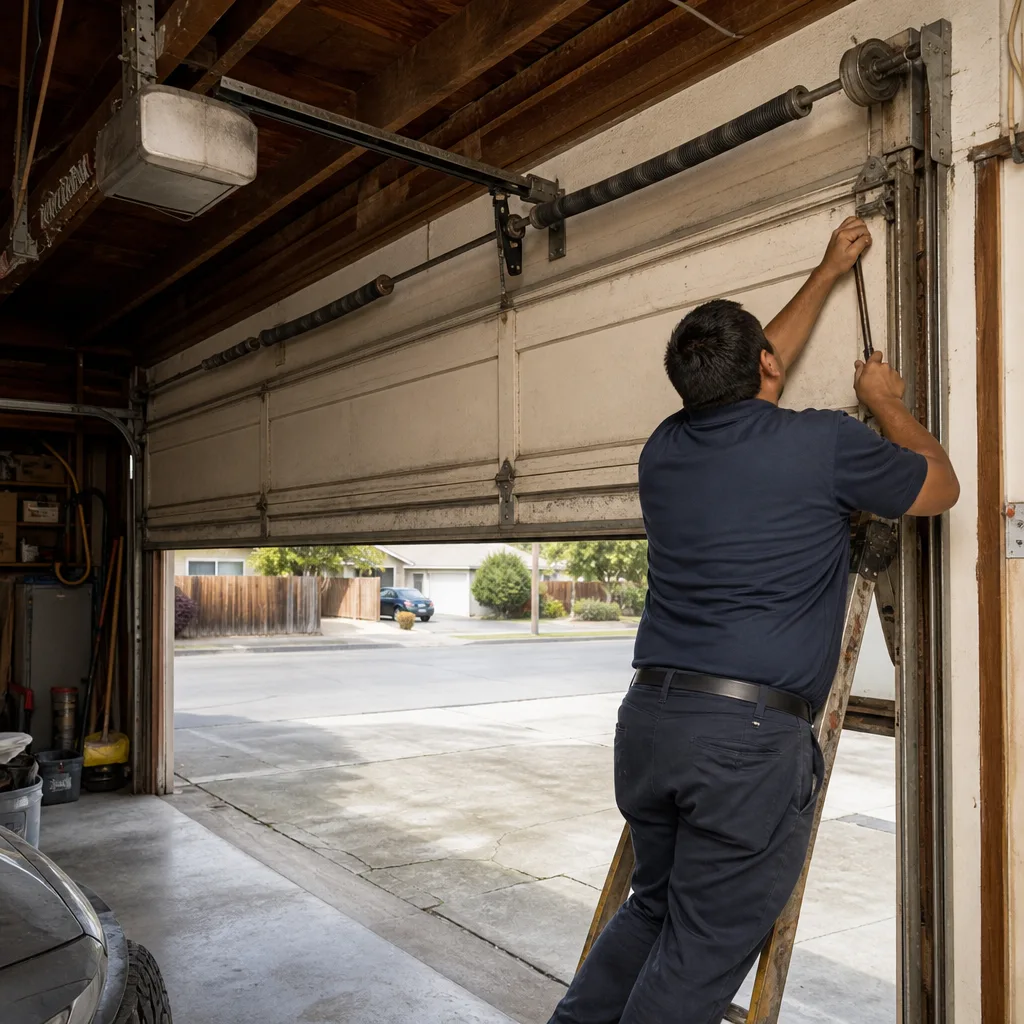 Before
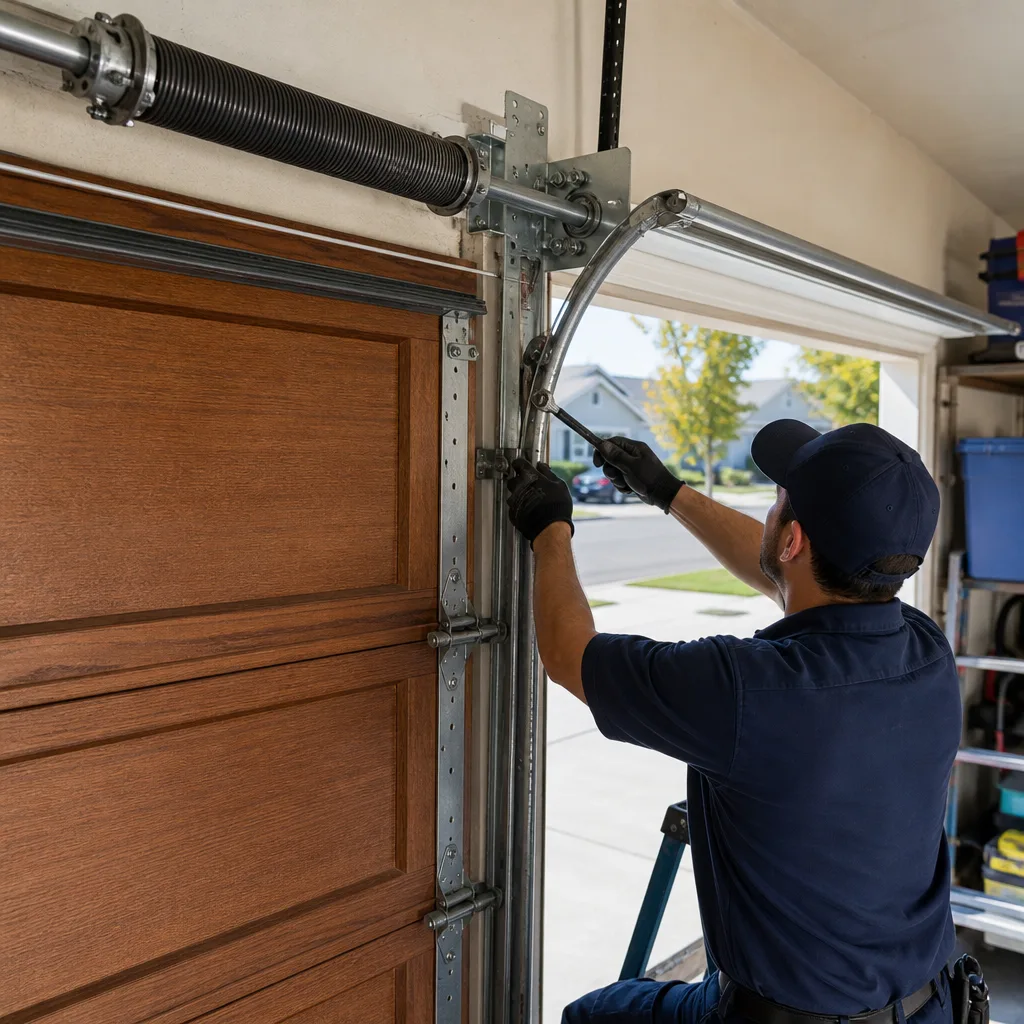 After
AfterGarage Door Permits, Codes & Inspections in CA: What You Need to Know
Most Concord homeowners who replace their garage door never pull a permit. In our experience across Contra Costa County, that’s not because they refused - it’s because a contractor told them it “probably wasn’t required.” That word, “probably,” does a lot of heavy lifting in this trade. But California’s building code doesn’t run on probability. It runs on specific triggers: fire separation ratings, structural load paths, electrical amperage draws, and whether your property sits in a wildland-urban interface zone. Get it wrong, and the problem doesn’t surface when the installer drives away. It surfaces when your buyer’s inspector opens the permit history, or when your insurance adjuster denies a claim because the door that failed wasn’t installed to code. This guide documents exactly when a garage door project in Concord triggers a permit, which California code sections apply, and what skipping one actually costs you.
Quick Answer
In California, a garage door replacement requires a permit when it alters fire-rated separation between the garage and living space, changes the structural opening, or involves electrical work for the opener. In Concord and Contra Costa County, most like-for-like panel swaps don’t trigger permitting, but adding a battery-backup opener, widening the opening, or working in a fire-hazard zone typically does - see our Garage Door Repair Maintenance Checklist for Concord Homeowners for a full rundown. Unpermitted work must be disclosed at sale and can void insurance coverage for related damage.
Table of Contents
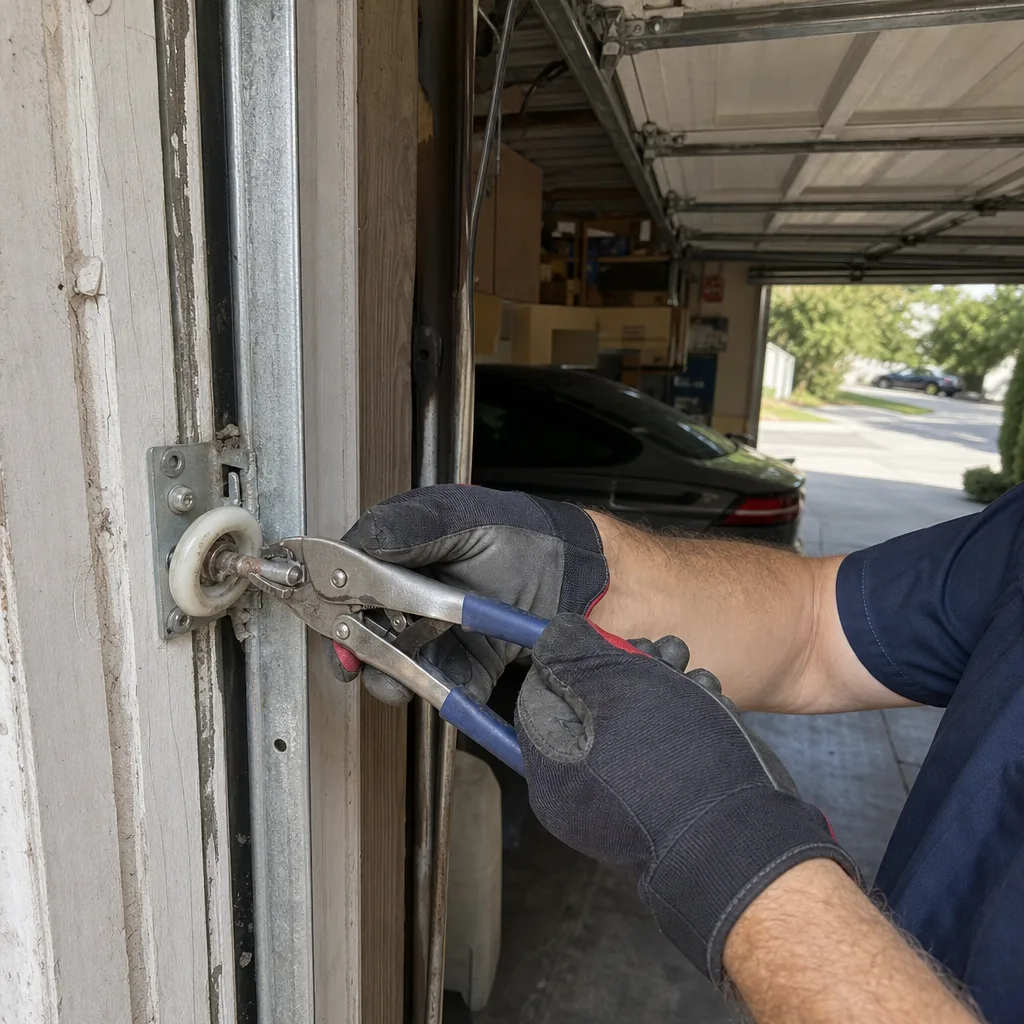
- When Is a Permit Actually Required in Concord?
- California Fire Code: The Rule Most Contractors Skip
- The Contra Costa County Building Department Process
- When Opener Installation Crosses Into Electrical Permit Territory
- SB 969 and ADU-Adjacent Garage Conversions
- What Happens When Unpermitted Work Surfaces
- What Inspectors Actually Check
- Common Mistakes to Avoid
- When to Call a Professional
- Frequently Asked Questions
- The Bottom Line
 Before
 After
AfterWhen Is a Permit Actually Required in Concord?
The California Residential Code (CRC) governs garage door work through a patchwork of sections that most homeowners never see until something goes wrong. The trigger isn’t whether you’re “replacing” or “repairing” - it’s whether the work changes a regulated condition.
Here’s what actually requires a building or mechanical permit in Concord and Contra Costa County:
- Structural opening modifications: Widening, heightening, or reframing the garage door rough opening triggers CRC R502 and R602 review for header sizing and load-path continuity. We’ve seen this in the older ranch homes near Concord Boulevard, where original 16-foot openings get pushed to 18 feet for modern vehicle widths.
- Fire-rated separation changes: Any door connecting garage to living space - or any wall penetration repair near that boundary - falls under CRC R302.6. This is the section contractors most often misread.
- Electrical opener work: New circuit runs, subpanel additions, or battery-backup systems drawing standby power can trigger electrical permit requirements under CalDAS and NEC Article 626.
- Wildland-urban interface zones: Concord’s eastern and northern edges, including portions of the Clayton Valley and Turtle Creek areas, fall under Chapter 7A fire-hazard regulations. Non-compliant door materials or missing ember-resistant venting can block final inspection.
What typically doesn’t require a permit: a like-for-like panel replacement on the same torsion spring system, using the same track configuration, with no changes to the opener or electrical supply. Even then, the door must meet current CRC standards for wind load and safety hardware - standards that have tightened significantly since 2015.
We document this distinction on every garage door installation in Concord with a written scope that explicitly states whether permitting applies. Clause 1 of The Haven Standard requires that scope before any work starts, so the homeowner knows what they’re signing up for - including any permit fees and inspection scheduling - before we touch a tool.
California Fire Code: The Rule Most Contractors Skip
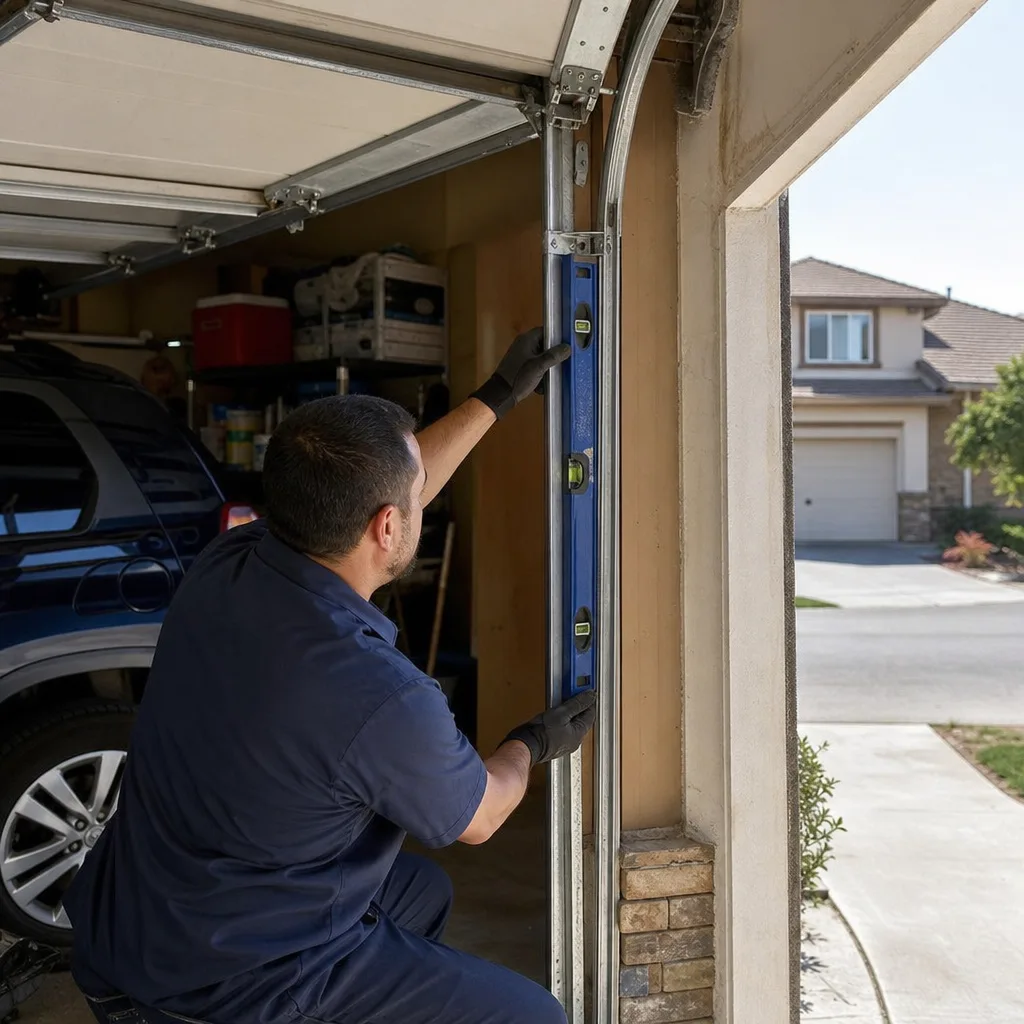
CRC R302.6 requires a 20-minute fire-rated separation between garage and living space. For garage doors, this matters in two specific ways that contractors routinely mishandle.
First: if your garage has a door directly into the house - a common layout in Concord’s 1960s-1980s subdivisions off Treat Boulevard and Oak Grove Road - that passage door must be fire-rated and self-closing. Replacing the garage door itself doesn’t trigger this, but any wall work around the opener mounting, header framing, or side jambs that penetrates the fire-rated assembly does. We’ve found unsealed penetrations from older opener backhang installations that left 3-inch holes through drywall with no firestopping. That’s a code violation whether the garage door was permitted or not.
Second: the garage door itself becomes part of the fire separation when there’s no interior door - for example, in garage-to-ADU conversions or when the garage opens directly into a utility room. In these configurations, the door must carry a fire rating or be part of an approved assembly. Standard steel-panel doors without intumescent seals don’t qualify.
The 20-minute rating isn’t theoretical. In a garage fire, the door assembly has to hold long enough for occupants to exit and for fire response to arrive. Concord Fire Protection District response times average under six minutes for most of the city, but that’s six minutes of flame and smoke exposure on whatever separation you’ve got.
When we inspect fire separation during a garage door repair in Concord, we photograph existing conditions per Clause 4 of The Haven Standard. If we find a penetration or missing firestopping, the photo record goes to the homeowner with a written scope for correction - not as an upsell, but as documentation of what the code actually requires.
The Contra Costa County Building Department Process
Concord sits within Contra Costa County’s unincorporated permit jurisdiction for some addresses and the city’s own building division for others. The boundary runs roughly along Port Chicago Highway and parts of the industrial corridor; if you’re unsure which applies, the county’s online parcel lookup resolves it in thirty seconds.
For garage door work that triggers permitting, here’s the actual process:
- Determine permit type: Mechanical permits cover the door assembly and opener replacement on existing circuits. Electrical permits cover new wiring, subpanels, or battery-backup systems with standby charging. Building permits cover structural opening modifications or fire-assembly alterations. Some projects need two or all three.
- Submit application: In Contra Costa County, residential mechanical permits for garage doors can often be obtained over-the-counter with manufacturer specifications and a site plan. Building permits for opening modifications require engineered drawings if the header span exceeds certain thresholds.
- Fee schedule: As of recent county fee structures, residential mechanical permits for garage door work typically run $150-$350 depending on valuation. Electrical permits add $100-$250. Building permits for structural work scale with project value, often $400-$800 for typical residential opening modifications. Concord’s city building division maintains a separate fee schedule, generally comparable but not identical.
- Schedule inspection: Mechanical inspections for garage door installations are typically available within 3-5 business days in Contra Costa County. Electrical inspections may take 5-10 business days depending on inspector availability. Final mechanical inspection must pass before the permit finales.
Who applies? The property owner or their licensed contractor. At Servo Garage Doors Concord, we handle permit applications as part of our written scope when permitting is required - it’s not an add-on service with a separate invoice. The permit fee appears in the flat-price quote, agreed before work starts per Clause 1.
One detail competitors miss: Contra Costa County requires visible permit posting on-site before inspection. We’ve seen homeowners call for help because an unpermitted installer left them holding an inspection failure with no documentation. Our photo record includes the posted permit, the installed assembly, and the final inspection sign-off - a complete paper trail from start to finish.
When Opener Installation Crosses Into Electrical Permit Territory
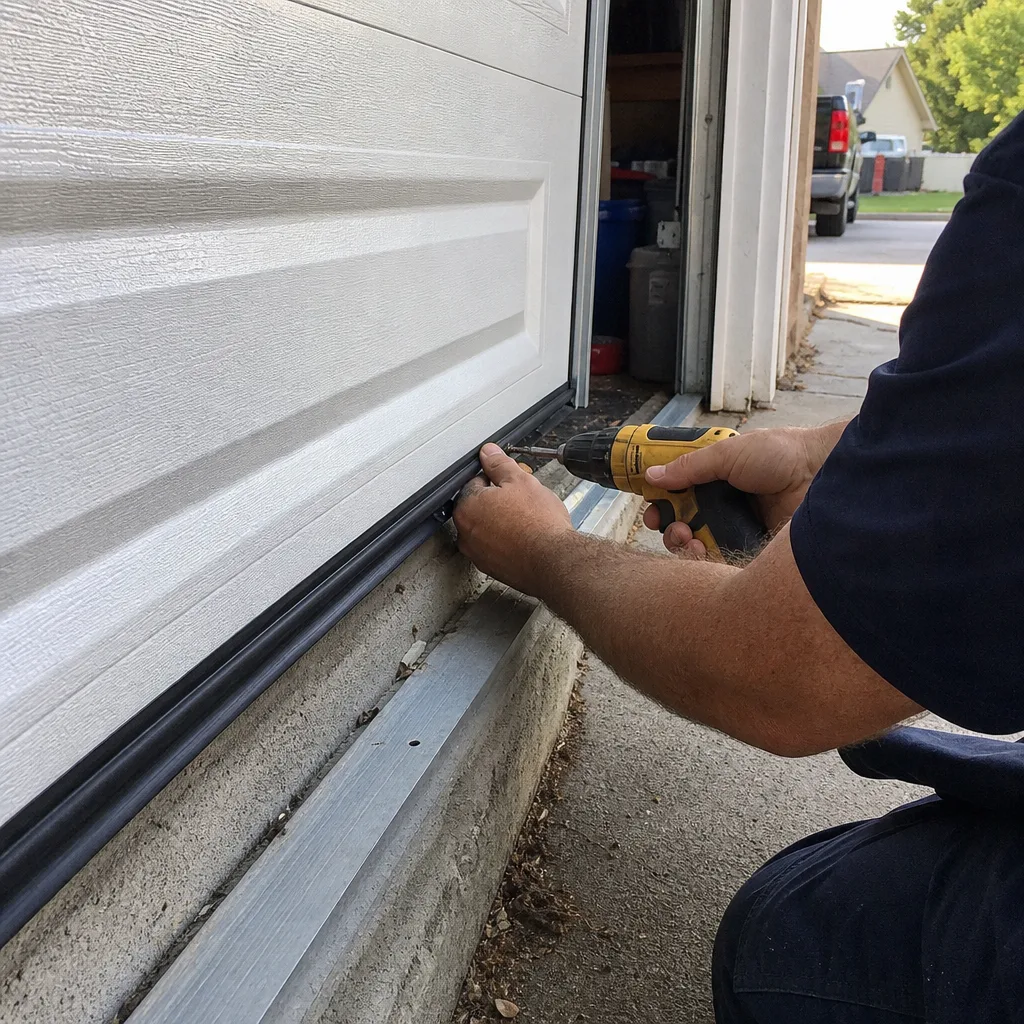
Most homeowners assume the opener is “part of the garage door” and therefore covered under a single mechanical permit. That’s true only up to a point. The boundary is where the opener’s electrical requirements exceed the existing infrastructure.
Under NEC Article 626 and California’s CalDAS (California Department of Alcoholic Beverage Control doesn’t apply here - it’s the California Building Standards Code, Title 24), a garage door opener installation requires an electrical permit when any of the following apply:
- New dedicated circuit: If your garage lacks a 120V outlet on a dedicated 15A or 20A circuit and we need to run one from the panel, that’s electrical work requiring permit and inspection.
- Panel upgrade or subpanel: Older Concord homes, particularly in the Dana Estates and Holbrook Heights areas built in the 1950s-1960s, often have full electrical panels. Adding a subpanel for workshop equipment plus a modern opener triggers electrical permitting.
- Battery-backup systems with charging draw: California’s SB 969 requires battery backup on new opener installations in areas affected by public safety power shutoffs. The LiftMaster 8500W wall-mount opener and similar models maintain a continuous trickle charge that, while minimal, is part of a permanently connected electrical system. Some jurisdictions interpret this as requiring electrical permit coverage for the charging circuit verification.
- Smart opener with integrated lighting and camera: Models like the Chamberlain myQ-equipped openers with integrated LED lighting arrays draw more complex loads than the 1/2-horsepower motor alone. When we install these in Concord homes, we verify the circuit capacity and document it in the photo record.
The Raynor Prodigy 2.0 and Genie ChainLift 1200, by comparison, typically operate on existing garage door opener circuits without triggering new electrical work. We specify which category applies in our written scope - another reason “call for a quote” doesn’t work for this trade. The answer depends on your specific electrical configuration, which we assess during our free estimate.
One more detail: Concord’s climate, with summer temperatures regularly exceeding 95°F, places additional thermal load on opener motors and electrical components. An undersized circuit in a hot garage fails faster. We measure ambient temperature and motor duty cycle during installation, documenting both in the photo record delivered to the homeowner.
SB 969 and ADU-Adjacent Garage Conversions
California’s SB 969, effective since 2019, mandates battery backup on all newly sold or installed garage door openers. The law was written for public safety power shutoff events - you need to get your vehicle out when the grid is down. But the 2023 ADU law expansion created an overlap zone that catches many Concord homeowners by surprise.
If you’re converting a garage to an accessory dwelling unit, or even adding an ADU that shares a wall with the garage, the garage door itself becomes part of a regulated residential structure. The triggers multiply:
- The garage door may need to meet energy code (Title 24, Part 6) for thermal performance, not just safety code.
- Fire separation between ADU and garage tightens to one-hour rating in some configurations, affecting any penetrations or door assemblies.
- Structural review may be required if the garage door header supports floor or roof loads from the ADU above.
- Egress requirements can conflict with garage door placement - a door that opens into an ADU bedroom corridor may need to be eliminated or reconfigured.
We’ve worked with Concord homeowners in the Monument Corridor and Todos Santos areas who started with a simple “replace the garage door” project and discovered their ADU conversion plans required full structural engineering. The Haven Standard’s written scope process catches these intersections early. Before we quote a door, we ask whether ADU conversion is on the horizon - because the right door for a storage garage is the wrong door for a future rental unit.
The 2023 rules also affect existing ADUs. If you’re replacing a garage door on a property with an permitted ADU, the inspector may verify that the original ADU permit conditions are still met - including any fire separation or egress requirements tied to the garage configuration. We’ve seen this trigger re-inspection of the ADU itself, not just the garage door.
What Happens When Unpermitted Work Surfaces
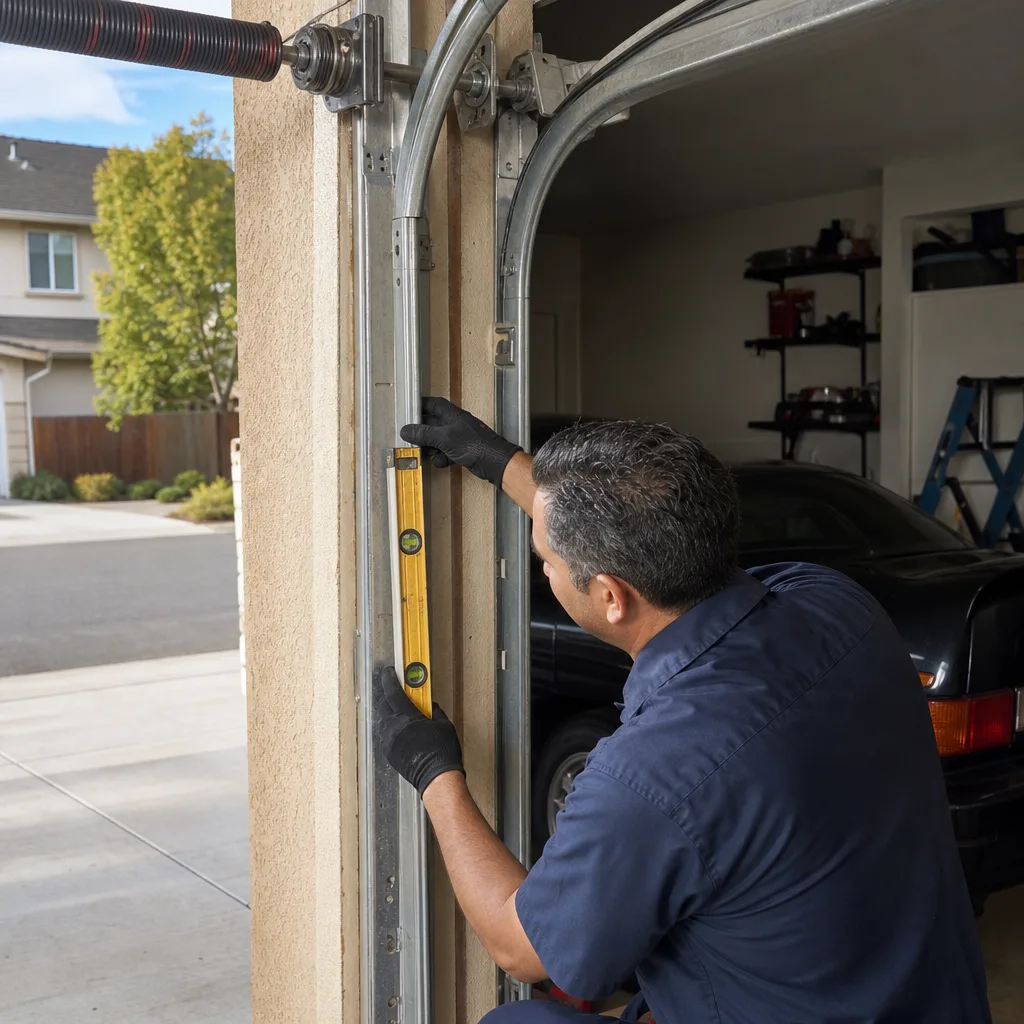
This is where “probably not required” becomes expensive. California Civil Code Section 1102 requires sellers to disclose material facts affecting property value - and unpermitted structural, electrical, or mechanical work qualifies. The standard Transfer Disclosure Statement (TDS) specifically asks about room additions, structural modifications, and work without permits.
Here’s how unpermitted garage door work typically surfaces:
- Buyer’s inspection: A competent home inspector checks permit history through the city or county building division. In Concord, this is a standard practice; most purchase agreements include a contingency for permit verification.
- Title company search: Some title insurers flag open or expired permits as cloud on title, requiring clearance before closing.
- Insurance claim denial: If a garage door fails and causes injury or property damage, the insurer may deny coverage if installation violated code or lacked required permits. We’ve seen this with opener electrical fires traced to unpermitted subpanel work.
- Retroactive permitting: Contra Costa County allows this, but it’s more expensive than original permitting and may require exposing finished work for inspector access. A garage door retrofit can mean removing drywall to verify header connections or electrical junction boxes.
The disclosure obligation doesn’t expire. Even if you bought the home with the unpermitted work already in place, you must disclose it when you sell. And in California’s disclosure-heavy real estate market, buyers routinely negotiate repair credits or demand remediation - sometimes exceeding the original installation cost.
Our documentation system exists partly for this scenario. When a future seller needs to prove that work was permitted and inspected, the photo record and permit copies from their Servo file provide that evidence. We’ve had Concord homeowners call fifteen years after installation requesting documentation for their sale - and we deliver it, because the record is permanent.
What Inspectors Actually Check
Homeowners often picture an inspector with a clipboard checking whether the door looks straight. The actual inspection is more specific and more technical. Here’s what Contra Costa County and Concord building inspectors verify during garage door final inspection:
- Entrapment protection: Photo eyes installed no higher than 6 inches above floor level, tested for response to obstruction. The door must reverse within 2 seconds of contact with a test object.
- Spring containment: Extension springs must have safety cables; torsion springs must be mounted on a shaft with proper winding cones and anchor brackets. We’ve corrected installations where the spring wire diameter was undersized for the door weight - a common shortcut.
- Hardware and fasteners: Lag screws into framing, not just into drywall or trim. Track brackets secured with proper gauge bolts. In Concord’s seismic zone, earthquake-resistant bracing may be required for certain door weights.
- Fire separation integrity: Any wall or ceiling penetrations for opener backhangs, wiring, or framing must be sealed with approved firestopping materials. The inspector will look for gaps around the door frame and header.
- Electrical compliance: For permitted electrical work, GFCI protection for outlets, proper grounding, and accessible disconnect within sight of the motor unit. Battery-backup systems must show functional test status.
- Wind load and structural: In newer code cycles, door assemblies must show design pressure ratings appropriate for the exposure. This matters less in Concord than in coastal zones, but the documentation must be available.
We prepare for inspection by running the same checklist ourselves before the inspector arrives. Our technicians photograph each verification point - the photo eye height measurement, the spring label showing wire size and cycle rating, the electrical disconnect location - so the homeowner sees what passed before the inspector confirms it. This is Clause 4 in practice: the customer sees the evidence before anyone signs off.
Common Mistakes to Avoid
- Trusting “like-for-like” verbal assurances: A contractor who says “it’s just a swap, no permit needed” without checking your specific wall configuration or opener electrical setup is guessing. We’ve found fire-rated separations in Concord’s Rancho del Diablo neighborhood that made a simple panel swap trigger full permitting.
- Ignoring the wildland-urban interface: If your Concord property sits in a Chapter 7A zone and you install a non-compliant door material, the inspector will fail it. The failure doesn’t just cost a re-inspection fee - it costs the door replacement.
- Letting the homeowner pull the permit: In California, the party who pulls the permit is responsible for code compliance. If a homeowner pulls a mechanical permit and the electrical work isn’t covered, the homeowner owns the violation. We pull permits in our name when we’re doing the work, because we stand behind the compliance.
- Skipping the final inspection: Some contractors get the rough inspection and never call for final, leaving the permit open. An open permit shows as active in county records and becomes a disclosure issue at sale. We schedule and pass final inspection on every permitted job, then deliver the finaled permit to the homeowner.
- Assuming ADU rules don’t apply: The 2023 ADU expansion changed garage classification for thousands of Concord properties. If you’re within 300 feet of an ADU or have conversion plans, the standard garage door rules may not apply.
- Not documenting the existing condition: If a future dispute arises, “it was like that when we got here” isn’t evidence. Our photo record establishes baseline conditions before any work begins - protecting the homeowner and our technician.
When to Call a Professional
Call a licensed garage door contractor when your project involves any of the following: structural opening modification, electrical circuit work, fire-rated wall or door assembly, battery-backup opener installation, or property in a wildland-urban interface zone. Also call when you’re unsure which category applies - our Garage Door Warning Signs: A Concord Homeowner’s Reference Guide can help you spot trouble early, because the cost of getting it wrong exceeds the cost of a professional assessment.
Servo Garage Doors Concord offers free estimates throughout Concord and Contra Costa County. Every estimate includes a written scope stating whether permitting applies, what permit type, and what the fees and inspection timeline look like - all before any work starts, per Clause 1 of The Haven Standard. For guidance on choosing a qualified professional, read How to Hire a Garage Door Contractor in Concord: A Step-by-Step Guide. We carry the C-61/D-28 license classification for garage door and automatic gate work, with electrical work performed by appropriately licensed personnel when required. Our technicians are background-checked, uniformed, and equipped with the documentation system that traces back to our founding rule: the customer sees the failed part, or the compliance requirement, before anyone quotes a replacement.
Call (925) 940-6359 to schedule. Calls are answered by a live person 24 hours a day, including holidays, and you’ll receive a named technician and an on-the-way text - not a callback window.
Frequently Asked Questions
Residential garage door permits in Concord and Contra Costa County typically range from $150 for a basic mechanical permit to $800 or more for projects requiring building and electrical permits together. The exact cost depends on project valuation, permit type, and whether the work falls under city or county jurisdiction. Call (925) 940-6359 for a free estimate that includes permit fees in the written scope - no surprises.
A like-for-like panel replacement on the same track system usually does not require a permit in Concord, provided the door assembly maintains any existing fire separation and the opener electrical circuit remains unchanged. However, if the replacement door has different wind-load ratings, insulation values, or fire-performance characteristics than the original, permitting may be triggered. We verify this during our free estimate and document it in the written scope.
Homeowners can legally install their own opener in California, but they still must comply with code requirements for entrapment protection, electrical safety, and fire separation. If the installation requires a new circuit or subpanel work, an electrical permit is required regardless of who performs the work. We recommend professional installation for any opener with battery backup or smart-home integration, as the electrical and programming complexity exceeds most DIY skill levels.
California Civil Code 1102 requires disclosure of unpermitted work as a material fact affecting property value. Buyers can demand remediation, negotiate a credit, or walk from the deal. Title insurers may flag open permits as a cloud on title. In our experience with Concord real estate transactions, unpermitted garage door work typically costs $500-$2,000 to remediate - more than original permitting would have cost. Our documentation system provides permit records and photo evidence to support clean disclosure.
Battery-backup openers like the LiftMaster 8500W may require electrical permit coverage for the charging circuit verification, depending on jurisdiction interpretation. In Contra Costa County, the mechanical permit for the opener installation sometimes covers the battery unit as an integral component; in other cases, a separate electrical permit is required for the standby power system. We clarify this in our written scope before installation begins.
The inspection itself typically takes 15-30 minutes for a standard residential garage door installation. Scheduling availability ranges from 3-5 business days for mechanical inspections to 5-10 business days for electrical inspections in Contra Costa County. Concord’s city building division maintains similar timeframes. We schedule inspections as part of our project management and meet the inspector on-site to resolve any issues immediately.
The Bottom Line
Garage door permitting in California isn’t about bureaucracy - it’s about fire safety, structural integrity, and electrical compliance that protects you during ownership and at sale. The “probably not required” advice that circulates among contractors costs Concord homeowners more in retroactive fees, disclosure complications, and insurance disputes than upfront permitting ever would. The specific triggers are knowable: CRC R302.6 for fire separation, structural modifications for opening changes, and CalDAS/NEC Article 626 for electrical work. Know which apply to your project, get the permit, pass the inspection, and keep the documentation. At Servo Garage Doors Concord, that documentation - written scope, photo record, permit copy - is standard on every job, not optional. It’s how we’ve operated since 2015, and it’s why 18,000+ garage doors later, our customers still have the paper trail they need.
Written by Marcus Deller, Owner at Servo Garage Doors Concord, serving Concord since 2015. Browse more guides & resources for Concord homeowners.